
In my January newsletter I asked what U.S. observance had ties to St. Brigid’s Day. If you didn’t know, now you do, Groundhog’s Day. St. Brigid’s Day is Feb. 1, the traditional start of spring in Ireland. Brigid was a woman who obscured boundaries. It began with her birth. She was prophetzied to be born not inside and not outside the house. Read Brigid of Ireland if you want to see how that happened.
The season of Imbolc begins Feb. 1 with St. Brigid’s Day.
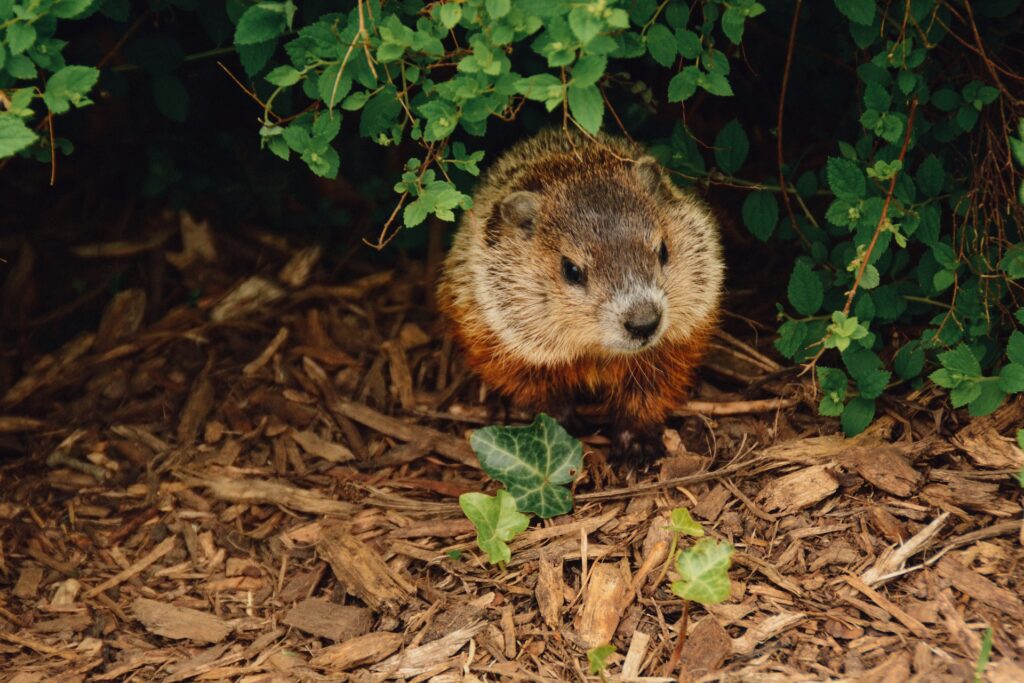
Yes, I know today is Groundhog Day. Both are associated with the coming of spring.
From The Celtic Year, A Celebration of Celtic Christian Saints, Sites, and Festivals by Shirley Toulson. (Amazon affiliate link used.)
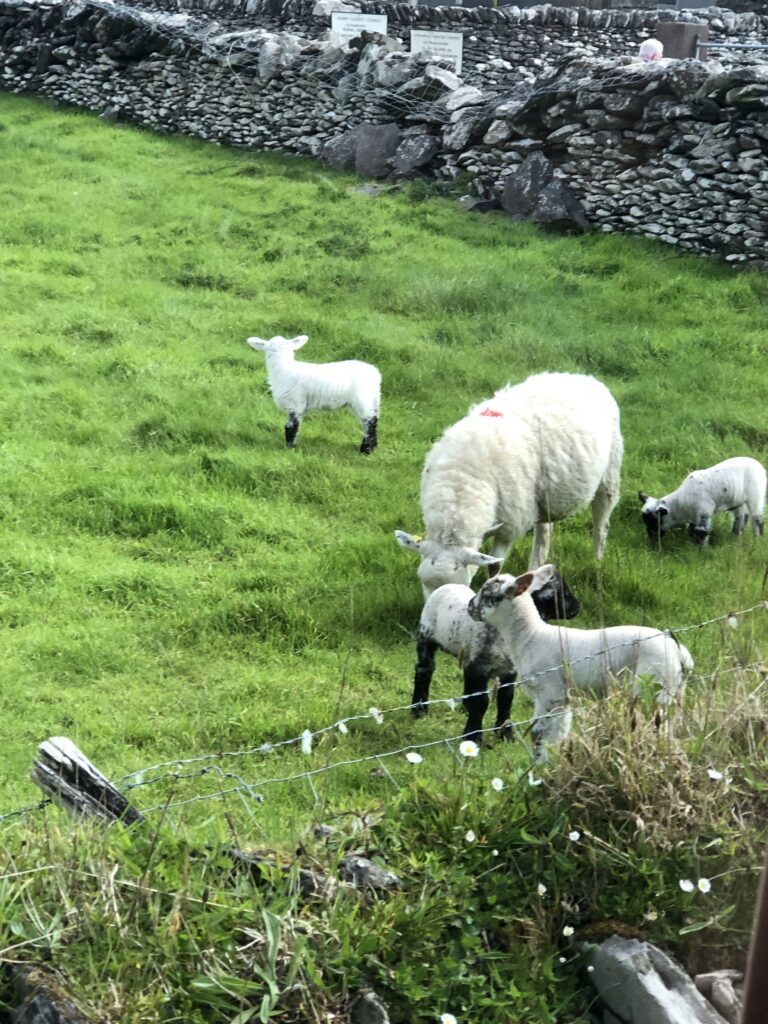
“It is a solemn and joyful time: the ending of the darkness as the seed of light which was planted at the solstice in the womb-like depths of such carefully constructed passage graves as New Grange, gradually pushes its way into the air. The weather in these islands may often be more cold and threatening now than ever it was at mid-winter, so that the survival of the new-born lambs is a great marvel, but even if there is not much warmth in the sun, the hours of daylight increase.”
That is the best and most poetic description of what Imbolc is that I have found.
For the ancient people the seasons were extremely important. They had to know when to plant and when to reap and when to plan for a long winter. They were extremely attuned to the sun and moon, and they were keenly aware of when the days grew longer. I wonder how many people today equate the coming of spring with the amount of daylight. We think about snow and cold and don’t think spring is truly on its way until these things have passed. Why else do we consult the groundhog? (Which is an ancient tradition, likely Celtic, but involving a hedgehog or a witch who woke up if the day was sunny and kept winter going. Take your pick of legends.)
How different would our attitudes be if we looked to the sun (or any other sign from nature) and gave thanks that yes, the seasons are changing, despite what the thermometer says?










I always look forward to the day after winter solstice as I know the daylight begins to increase and reminded that spring is coming.
Yes it marks a turning!